Avoid Common Pitfalls in Self-Publishing

Self-publishing: for some, this is a term as depressing as “dinner for one” or  “Milf Manor marathon.” But just because you’ve decided to self-publish, that doesn’t mean you’re a failure or that you wrote the equivalent of a miscarriage.

While I didn’t start out as a self-published author, I have self-published over 150 novels in my long career for a variety of different reasons, from frustration with traditional publishing to wanting more creative freedom to incorrectly assuming any income I made doing so wouldn’t have to go to my first or second wives.

I’ll take you through my journey as a self-published author and discuss some of the pitfalls I encountered so you can avoid them.

Fans of mine will know that, unlike most of the people reading this, I didn’t start out as a self-published author. But while self-publishing wasn’t really an option when I started, that didn’t mean traditional publishing came without its share of headaches.

For starters, my first actual publisher had some weird thoughts about human biology, one of which was they didn’t believe it existed. And my second publisher, the first one that actually had an office and who I assume didn’t think cells were an illusion meant to test humanity’s faith, made me sign a contract that basically got me nothing back in royalties.

It wasn’t until I met Tabitha Cartwright, my mentor and writing partner for over five years, that I started seeing any success as an author. Under her tutelage, I entered the most productive stage of my writing career, though it wasn’t until later that I realized that was because the diet pills she was giving me were actually speed.

Anyway, the next few years after that are kind of a blur, where I produced some of my worst books that I don’t even remember writing. And after settling a lawsuit that gave Tabitha the rights to all the books I’d written in our partnership (while also getting me off the hook for some things I’d rather not mention), I thought it was time to step away from traditional publishing and try the self-publishing route.

This was in 2011: the year Bin Laden was killed and America was warming up to the idea of authors releasing their own books online. The following are some things I learned during the process.

Number 1 – Get A Good Editor.

If there’s one thing I want you to take away from this article, besides the fact that our bodies are, in fact, composed of cells, it’s that you cannot be your own editor. Because the editor I usually worked with wasn’t taking my calls, I thought I could do it on my own. While you do need to edit your work, you need to get at least one other set of eyes on it, if not more. So once I self-published my first novel, the earliest reviews called me out for misspelling the word “baggage” on the first page of the book.

Number 2 – A Book Without A Marketing Plan Is Just The Diary Entry of a Very Sick Individual

Self-publishing is not an outlet for self-expression. If it’s self-expression you’re after, you can, I don’t know, start a blog of your poetry, or post erotic selfies on Tumblr, or storm the Capitol. You have to self-publish with the mindset of a businessperson. And what are all the greatest businesspeople like? Cold, obsessive, ruthless, and so focused on profit that it borders on a psychosis.

Set goals for yourself. Figure out what kind of ads you want. Make schedules and stick to them. You know, do the kinds of things only successful people do and that unsuccessful people never would have possibly thought of.  

Number 3 – Your PR Campaign is a Story in Itself. Start it Before You Finish Your Novel.

You can’t wait until you push that “Publish” button to start finding your audience. Even before you’re done writing, you should give your existing audience some idea of what’s coming. Let them know what it’s about. Let them know the release date. If you’re a YouTuber like me, flash subliminal messages urging them to buy it in your videos. So long as your audience isn’t populated by a high percentage of epileptics, you’ll be fine.

I ignored email lists and newsletters, assuming I’d get by on name recognition alone. But my earliest books were out of print by 2011 and Tabitha Cartwright changed the name on all the books she owned to my legal name (which fans of the channel will know is the same as one of the worst serial killers in American history.) This actually boosted sales, but didn’t do anything for John Lazarus. In any case, I should’ve made a better effort to reach out to long-time fans.

Of course, if you’re a brand-new writer and you don’t have an existing audience, everything I just said was a complete waste of time.

Number 4 – Send Out Advanced Copies to Get Reviews Before Publishing

This is another step you need to take before publishing. And it doesn’t matter if your name is Dan Nobody or Tyra Banks, you need reviews. Lots of them. If you have the money and the connections, get reviews with places like Kirkus and literary magazines. You can go cheaper and use book bloggers. You can go way cheaper and hire the homeless to write reviews and post them on your website.

When I self-published Nap Time, I was so low on money none of these options were available. And when I usually run into a problem like this, I would just lie, write the reviews myself and post them on my website, but I thought I could get by without it. I was wrong.

Number 5 – Act Like a Best Seller

But speaking of blatant fraud, a wise man once said, “Success only comes to those who believe in it.” Projecting confidence, self-promotion and the grind of the hustle that has rendered modern life an existential nightmare are essential to be a successful writer.

Do you know what Neil Gaiman and JK Rowling have in common, besides being shitty human beings? They are always working. When you’re at social functions, when you’re at work, in the online sphere, act like you belong in their club. One day you just might.

Here are five more bits of knowledge I find are essential to all authors considering self-publishing their first book.

Number 6 – Climate Change Won’t Kill Off Enough of the Population Fast Enough to Desaturate the Marketplace

Number 7 – Publishing in Comic Sans Isn’t A Great Idea for a Holocaust Drama

Number 8 – Assume Everyone Is Trying to Scam You. Be Cold And Distant To Everyone in Your Life

Number 9 – Using Child Labor for Your Book Launch Team Might Not Technically Be Illegal, But It’s Still Frowned Upon

Number 10 – Don’t Hold Out Hope On This Book’s Success Filling That Crippling Void In Your Life

The Best Books I Read in 2024

The holiday season means different things for different people. For some it’s a time of reflection, to make resolutions and promise to stick to only clear liquors from now on. For others, it’s a time of sorrow, knowing that your family will call your bluff this time when you say you’re going to kill yourself.

For me, it’s a time for list making. Not gift lists, mind you. My three wives made me stop giving my children gifts after some of the knock off Furbies I bought one year started several small fires. No, it’s a time for year-end lists, when I can share the best things I experienced in 2024. Fans can go to my blog to read about the best movies, albums and brothels I discovered this year, but to keep this relevant to the channel, we’re just going to focus on books.

This list will contain some 2024 releases, some classics I had never gotten around to, and a lot of books that landed on the D&E label that I think all viewers should consider checking out.

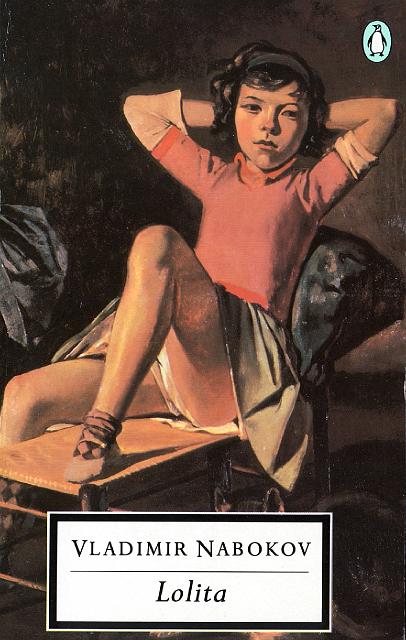
I’m going to start this list with a book I had never heard of, but that was brought to my attention by a former writing partner. Lolita, by Vladimir Nabokov, tells the story of Humbert Humbert, a French expatriate and literature professor living in New England who falls in love with and kidnaps the titular 12-year-old girl. I found this book to be one of literature’s finest examples of an unreliable narrator, a witty sendup of American culture and a sharp exploration on the nature of obsession. Nabokov’s prose is a delight: verbose, lyrical, and enviably clever. It’s just a shame the man who recommended the book to me ended going to prison and getting killed there.

Version 1.0.0

RF Kuang’s Yellowface came out at the tail end of last year, but I didn’t get around to it until 2024. Yellowface starts with its narrator watching a fellow author die, stealing her manuscript and publishing it under her own name, so this was a book I could relate to on a personal level and seemed almost specifically written for me. But beyond being an exploration what authorship means and satirizing the publishing landscape of the current era, RF Kuang offers a brilliant critique of how social media is unfair to white authors like myself.

Here’s another book I had never heard of until recently. I always felt graphic novels were for children and grown men who couldn’t grow beards but tried anyway. I still think that, but it didn’t ruin my appreciation of Watchmen, a multi-faceted deconstruction of the superhero genre that I probably shouldn’t have read to my seven-year-old son.

If you have to pick one book this year that I won’t personally profit from, make it Miranda July’s All Fours. Centered on a middle-aged woman who abandons her family for a love affair, this was another book that I felt was written personally for me. July’s writing blends sex with humor in a way I haven’t seen since Porky’s II. Now, many readers might find the main character to be immature, sex-obsessed, impulsive, and hyper-privileged, but I would counter that that describes 90 percent of people who attend book clubs so it’s definitely a work that encourages self-reflection.  

Reagan. An icon as synonymous with the 80s as Tawny Kitaen and C. Thomas Howell. Now I’m not the most political person and probably fall somewhere in the middle of the political spectrum. On the one hand, I think trans women are women, trans men are men, but on the other, I think it’s ridiculous the State of New York won’t allow me to bring a few loaded pistols into a bookstore to protect myself at a book signing. Anyway, no matter how you feel about a guy who ignored the AIDS epidemic, but who also looked good on camera, this is a must read.

Now we’re going to look at some D&E Publishing titles I loved this year.

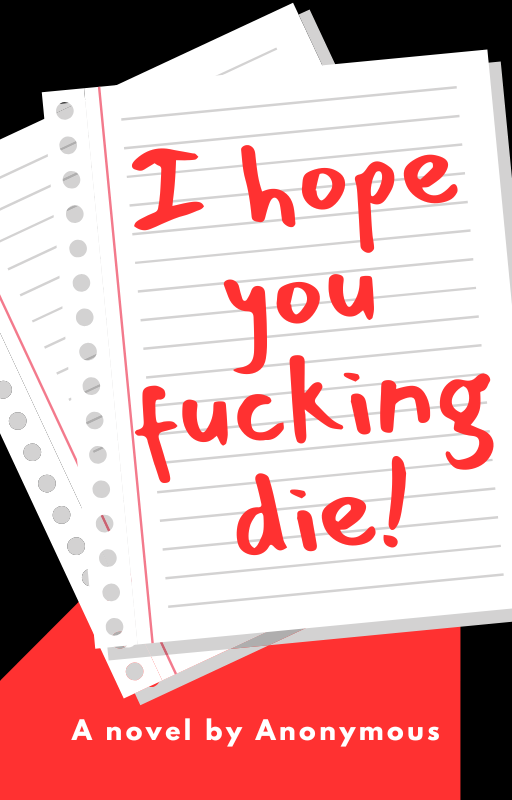
If I had to choose one avant-garde book to pick this year, it would be I Hope You Fucking Die, a book by anonymous released last May on D&E Publishing. Composed of nothing more than threatening tweets I’ve received for the past decade, the book was sent to our offices in an unmarked package. While some might’ve called their lawyer or the bomb squad, I instead went ahead and published it anyway. One reviewer called it a fascinating examination of a deranged mind, and while they seemed to incorrectly be referring to me, I couldn’t agree more.

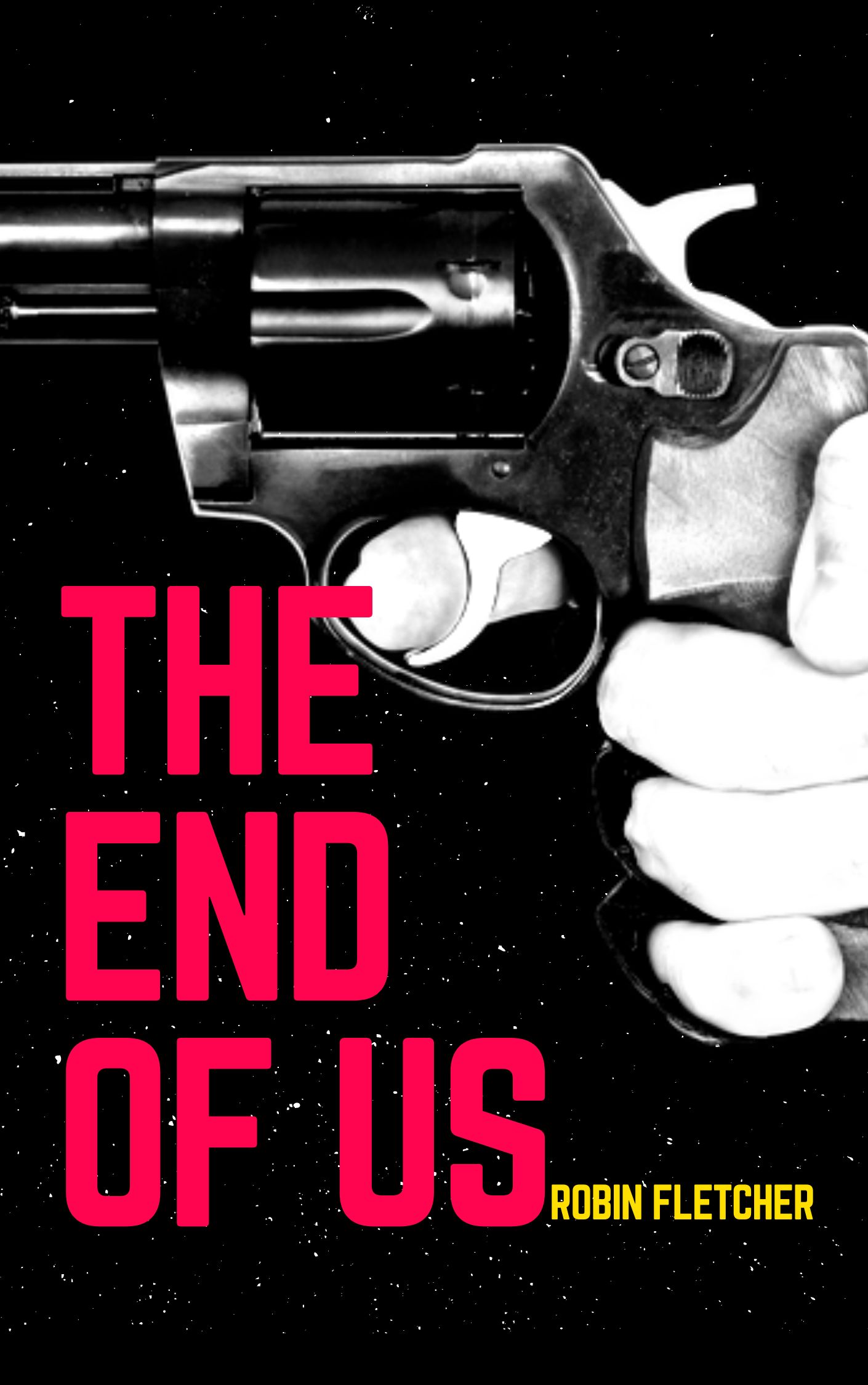
The End of Us was one of the best thrillers I read all year. A harrowing account of a man who decides to kill his whole family, I was over the moon that Robin Fletcher decided to publish with D&E. Unfortunately, the deal fell through when police discovered the book was a confession and Robin had actually killed his family.   

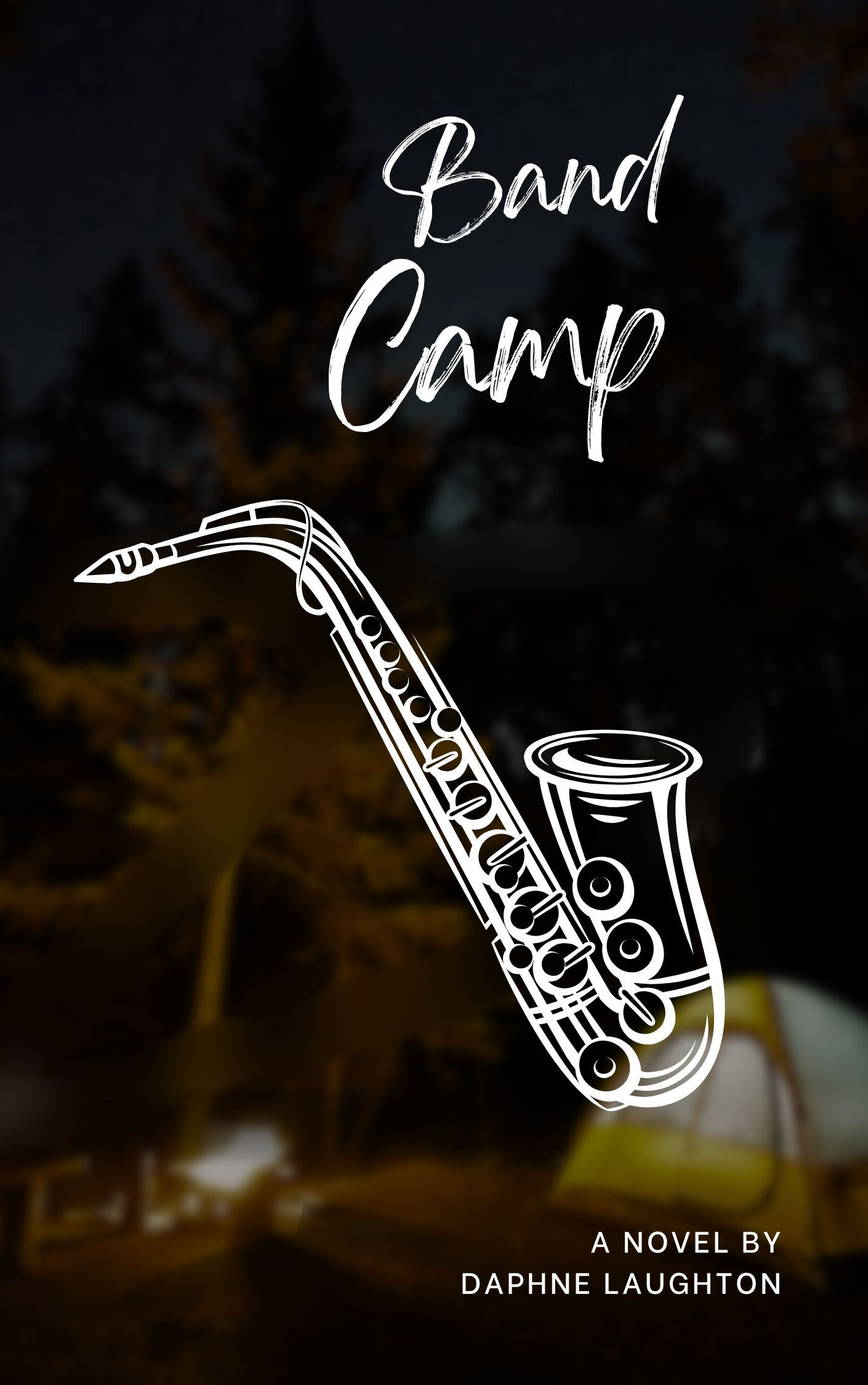
Band Camp was the best young adult story I read in 2024. This coming-of-age story about a young immigrant from Iran who develops an unexpected friendship at the titular setting was moving and had wonderful insight into what it means to be an outsider. Unfortunately, D&E didn’t end up publishing this book either because author Daphne Laughton also killed her whole family.

But the best book I read this year had to be my own, Glossolalia and Other Stories, available now on Amazon. Unlike all of the other books on this list, this book never felt like a chore to read.

Cringeworthy Mistakes New Authors Always Make

Much like raising a child, becoming a professional author is nearly impossible to do without making mistakes along the way. But much like building that child a treehouse even with no carpentry experience, there are, for writers, ways you can limit the damage your mistakes might cause.


Even the greatest writers make mistakes. George RR Martin, for example, keeps making the mistake of forgetting to send his editors finished versions of his stories. John Updike forgot to take three minutes to consult a textbook and learn how women piss.

I’m going to talk about beginner mistakes by sharing the story of Evan Hayward, a promising young talent who had all the potential in the world, but who unfortunately flamed out of the industry because of some fatal errors he made and his unwillingness to correct them.


And even I’m not susceptible. I vastly overestimated the number of people who can read Old English, for example, and I wrote over thirty books before I gave a woman a speaking role.

Evan Hayward was probably like a lot of people reading this. He was a Master of Fine Arts, he loved literature, and he was a hungry young writer with lots of talent but not the necessary connections you need to make it big. But unlike most of the people reading this, Evan was tall, good-looking, had great skin and people generally liked being in his presence.


I signed Evan in 2015. His debut novel, a self-published indie comedy called A Tale Told By An Idiot, had won a few indie awards. I reached out and commissioned Evan to write his follow-up for D&E Publishing. At the time, the only other authors working for us, besides myself, were Blake Colby, who was struggling with addiction and would soon drown in his bathtub, and Samantha Chao, who only wrote political non-fiction about the imminent takeover of Sharia law. So I was very desperate for fresh talent.


Like many of you, Evan pitched many ideas that, with the correct guidance, editing and marketing, I knew would make a big splash. But unfortunately, over the next six months, he made some errors from which he’d never recover.


Mistake #1 – Trying to Write For Everyone

Writing for everyone is the same as writing for no one. That’s a little phrase I coined, and I find it rings true. When starting a new project, a writer has to clearly define their target audience. This is a mistake I often made at my start. When I wrote And Justice for Some, my target audience was just men, as my story contained lots of violence and the protagonist has sex with six or seven large breasted women with various racial backgrounds. But I was wrong. It turns out there are lots of men who are racist or who like small breasted women and the story did nothing for them.


From the start, I could tell Evan would have the same problem. Everyone in the office loved his work. People praised him constantly. The women in the office, in particular, spent a lot of time hovering around his desk when they should’ve been working.


Once Evan came on and spent more time around our offices, lots of gossip started. Now, to promote diversity and help save money, a large amount of our staff didn’t speak English. Fortunately, I was able to get my landscaper to get his daughter to help me translate their conversations I recorded in our break room by agreeing to help edit a college entrance essay. Here are just some of the things I learned:
Office integrity aside, the bigger problem was that I knew all this love and attention would go to Evan’s head and make him write too broadly.


Mistake #2 – Relying on the Perfect Conditions to Write

Writing is one of the most laborious processes imaginable. Many young writers have great ideas, but they feel if they don’t have their exact color Moleskin notebook in their favorite coffee shop eating their favorite pastry, they can’t get any words down.


A writer has to learn to write anywhere at any time. If you start putting writing off because you can’t find your perfect place, you’ll never get anything done. I make character sketches on the toilet. I write notes while I’m driving. I’ve done key edits while my third wife was in labor.


About a month after Evan joined D&E Publishing, his house burned down. For some reason, his work and productivity started to suffer. He tried to get more of his writing done in our publishing offices, but due to some renovations, I had to move his desk to the utility shed. Evan complained that the formaldehyde made it hard to focus, but I told him a writer needs to find a way to make it work.


Mistake #3 – Neglecting Research

Readers are more discerning than ever these days. Back in my day, you might be able to get away with saying Nixon was president during the Bay of Pigs or have a character with no arms administer CPR. But nowadays, readers are champing at the bit for their favorite writer to slip up so they can go on Twitter and call for him to be castrated.


Evan’s second novel was going to be a crime thriller and it had a solid hook, but the sloppiness was holding it back. The editors I hired, for example, were quick to point out that he didn’t specify the caliber of bullets used by the criminal in both metric and imperial units. Another character simply died of lung cancer, when it was clear they had actually died of pneumonia due to complications caused by lung cancer. No discerning reader would let things that slide.


Mistake #4 – Trying to Shock Without Value

Maybe it was some combination of the pressure over publishing under a deadline, the noxious fumes in the janitor’s closet or the grief over his cat dying in a fire, but Evan had trouble holding it together. Instead of working at his desk, I’d often find him whispering to people in the office, who I found a bit too supportive considering his poor work ethic.


When I did get the final manuscript, I was disappointed by the final twist in his story, where it turns out the killer had been the police detective who had suffered from split personality disorder. I told Evan this made no sense and was incredibly cheap and nobody would ever buy it.


Evan told me that the ending was actually from one of my novels and the fact that I automatically rejected it said I was just jealous of his talent and looks.


Lots of writers feel like way about their mentors, but most have the sense not to say it. I like to think, if Evan had been more mature and willing to learn from his mistakes, he’d have done great things with us. But D&E Publishing cancelled our contract with Evan and my only other regret is that security wouldn’t escort him out of the building because they said they liked him more than me.

The Anatomy of Your First Chapter

person-using-typewriter-1448709
Photo by Min An from Pexels

Nothing will draw your reader’s attention like a completely perfect first chapter. But complete and utter perfection is easier said than done. In fact, as the head editor of DEPub, I can say with authority that an author’s inability to construct a flawless first chapter is the biggest obstacle to getting published.

So, before we break things down, we need to ask ourselves, “What should the perfect opening do?” Well, it has to introduce the main character and the world in which your story takes place. It has to have a strong, unique hook, an original voice, a well-defined tone perfect for your intended readership, several references to classical literature that are obscure but not too obscure,  something mysterious but also completely clear and understandable, a non-cisgender character, an abortion, a description of a sunset or wedding that makes your own personal memories of those experiences pale in comparison, a person dead or dying of a little known disease, fish, dark humor, nothing callous or insensitive, 2-15 words that aren’t English, and either a galactic spaceship battle or a grounded discussion about motherhood but preferably both.

Now that might sound easy, but once you start writing you’ll definitely notice some key elements are missing. So here are some tips, advice, suggestions, reminders and pointers on how to reduce redundancy and sharpen that first chapter into a useful weapon to plunge into heart of your reader.

Start in media res

With ever-decreasing attention spans, the readers of today need their dopamine fix fast. Recent studies show that readers will decide whether or not to read your book after the first three words. So you’ve got to whip out all your literary might, so to speak, and dangling it front of their face.

That’s why I suggest you start in the middle of your scene. Skip long introductions, skip backstories, skip exposition, skip character description, skip names, skip adverbs, skip nouns, skip punctuation. Start your book with a gunshot to the head. “Bang Bang Bang.” Start your book with cannibalism. “As far back as I can remember, I always wondered what people tasted like.” Start your book with a nonsensical string of expletives. “Fuckin’ piss-ass cocksuckin’ motherfucker.”

Don’t frontload the backstory

Be sparing with your reveals. It’s probably not good to painstakingly detail every year of your character’s life from birth to their present age. Don’t make the same mistake I did and write a hard-boiled crime thriller where the lead detective doesn’t reach puberty until page 46.

Maybe pick one or two key moments from your character’s past that relate to the events unfolding in your first chapter. If your character is eating a sandwich, maybe then would be the time to talk about their high school job as a school cafeteria bully. If your character is in the middle of a high-speed car chase, maybe you should talk about the advice their high school driving instructor gave them.

Opinion, opinion, opinion

Your story is driven by the voice you give your narrator. Original, radical opinions are maybe the best hook you can give your reader. Give your character a refreshing voice of reason, or a scornful voice of hatred.

Look for contrasts. Maybe your radical Islamic terrorist has decided to leave his past behind and open a bakery on the west side. Or maybe hint at a revelation like this: “I hated immigrants my whole life – until the day I realized I was one.”

When nothing else works, change your starting point

Start by asking yourself, “Why am I starting here?” Then ask yourself, “What if I started here?” Then, “No, how about here?” And “No, I think the second one was better. No, wait, which one was the second one?” And finally, “Why am I trying to write this stupid fucking book nobody’s going to read? Just give up you no talent piece of garbage.”

And once you get all that out of your system, try removing your first paragraph and see if that’s better. If that doesn’t work, make your second chapter your first. Then delete every sixth sentence and see what that looks like. Is your story starting to make much less sense and does it seem completely disjointed and nonsensical? If you’ve followed everything I said up until now, your answer should be “no.”

Finally, deliver the burgeoning conflict

There’s a saying I put in all my Powerpoint presentations when I teaching storytelling at the adult learning annex: “Your first chapter doesn’t have to bring the storm, but the storm should be visible on the horizon.” After all the applause, I go on to explain how this is the driving force of all fiction.

Be subtle. Instead of staring with a bank robbery, have the manager of bank security list every single vulnerability he’s noticed. Instead of starting with the death of a father, start with a dream sequence of a near-death experience of an uncle.


Remember, it’s important not to panic. This is a long process. So long as you don’t mind getting rejected for decades, there’s nothing to worry about. I hope this has been helpful.

Seven Secrets To Writing Better Characters

l ron hubbard

Characters are the windows to our story’s soul. They embody our wants, wishes and desires, and we often use them to say the things we can’t in real life without being called a “racist,” “sexist,” or “that guy who has some strange ideas about Israel for someone who’s not very religious.”

The following is a sneak-peak of what you’ll learn in my 75 part, non-refundable online writing course on how to create believable, dynamic characters that aren’t obvious self-inserts.

Give your characters strong opinions

As a writer, there’s a good chance you’re naturally passive. You’re probably afraid to speak in front of others, cower from responsibility and suffer from a complete lack of charisma.

To write resonant characters, however, you’ve got to provide  strong personalities readers will want to follow for the next 300 pages. Giving your character strong opinions is a great way to do so.

For example, I wrote a story about a lonely, American twenty-something unsure of what to do with his life who also thought the holocaust wasn’t such a big deal. I realized it wasn’t working and couldn’t quite understand why. After a good deal of consultation with my beta readers, I decided it would be much better if he denied the holocaust ever happened at all. Now he was somebody who got your attention.

Unpredictability is key

Storytelling is all about character growth, how characters react to their circumstances and how they mould the world around them. Nothing will grip a reader more than a character making an important decision your reader didn’t expect, and if you followed my last piece of advice, sharp changes of mind will be all the more striking.

For example, try making your conformist, browbeaten neighborhood butcher, who has spent his whole life doing what he’s told and making sausage from animal parts, decide one day that he’s going to make sausage out of human parts.

It can go the other way, too. Make your antagonist the good guy. Maybe the liberal philosophy professor decides he isn’t going to give another lecture about why everyone needs to be atheist, quits his job and instead goes to church to pray.

Grudges are another key

This goes part and parcel with strong opinions. Much of our folklore – hell, much of human history – is built upon grudges. I think naturally we as humans are fearful of outsiders, occupying forces and the imminent threat of Sharia law being implementing in our schools.

Your grudges can be professional, political, social or familial. And sometimes, the vaguer the better. A hinted-at grudge is a great way to worldbuild without wasting too much time on exposition. In my Grisham-esque thriller The Subtle Subpoena, we don’t need to be told why the protagonist has it in for the criminal defense firm Abelman, Cohen and Blumenthal – it should be obvious.

Improve physical descriptions by being as specific as possible

Strong, unique physical descriptions are a cornerstone of great character. Read the following sentence: “The cashier had a mole under his right eye.” Decent, but it leaves a lot to the imagination. Here’s a much better version of that sentence: “The cashier had a mole 2.78 centimeters below his right eye.”

Better, right? It’s much easier to picture this way. In the first example, the mole could technically be anywhere under his right eye; it could be next to his mouth, on his neck, on his knee, or even under his left eye.

Character names are more important than anything

Nobody wants to read a book about someone named Jared or Brayden. That’s why it’s important you pick evocative names that follow the three “make it’s”: Make it era-appropriate, alliterative and symbolic.

Names that don’t fit the era they’re set in can be distracting. If you’re writing a historical drama about the Antebellum South, don’t do what I did and name your general Zebulon Geezwax of the Ursa Antilles Cluster.

Also, alliterate every name you can. All great writers and porn stars do it. Names like Candy Cox and Dante Demarcus DeHarrison already tell the reader a lot about the character.

And slather your names in symbolism. Don’t call your character something boring like Joe unless you want him to be an everyman. If you’re writing sci-fi give them a mythic Greek last name and if you’re writing literary fiction give them a mythic Greek first name. Or use obscure color names like Vermillion Dax, Smaragdine Simons, and Burnt Sienna.

The third key is interesting professions

There have already been a lot of books about sea captains, princes, private detectives, humanities professors, hippies and refugees who just whine about everything that’s happened to them. It’s your job as a writer to explore the unexplored, and what better way to do so than by picking a character with a unique profession.

Some ideas: Podcasters who will do anything to uphold the Second Amendment; a Crisis Actor; a movie producer and lobbyist trying to repeal the Second Amendment; a lawyer who happens to be a woman; and the most unsung of all heroes, Israeli politicians.

Finally, you need a moral dilemma

So you’ve got an opinionated, grudge-bearing, unpredictable character with a unique name and profession. But eventually your story will hinge upon the decisions that character makes, and a perfect way to do that is to put their convictions to test, to force them to make uncomfortable choices. This conflict is the essence of all my books (and I assume others as well).

Will your podcaster let Spotify ban his streams on their platform, or will he use his Second Amendment rights to uphold the First? Maybe your character has always been taught men and women are equal? If so, what will he do to stop radical feminists from attacking him on social media?


To learn more about character development, contact us to enroll in our comprehensive online course. It’s just three easy payments of $88.


Your Guide To Beta Readers

beta reader

So, after months (or perhaps years) of blood, sweat and tears, you’ve finally finished your book, revised it, self-edited it and have proven to your friends and family that you’re not an unambitious, braindead waste of space slowly counting the days until death.

But hold on there. Before you consider self-publishing or reaching out to literary agents, you’ll want to consider sending your book to beta readers.

What are beta readers?

Beta readers are volunteers who will read your book and provide you with feedback. The name “beta” comes from the word “Betamax,” a popular home video format from the 1980s. People would often share and exchange these “beta” videos in much the way beta reading is the sharing of novels and ideas for improving them.

Beta readers are a good way to get a fresh set of eyes on your work, to address the numerous glaring mistakes, plot holes, poor characterizations, boring passages, cliches, overly graphic sex scenes, and embarrassingly obvious references to your personal life in your work.

It’s important to remember that a beta reader is not an editor. Remember, development editors help you with your overall structure, line editors look at your usage and diction and polish things up to make your manuscript sparkle, proofreaders look at grammar and spelling errors, grammar consultants tell you if you’re using the gerund correctly, book buddies are the shoulder to cry on, and then there’re critique partners, who are basically another word for beta readers but they’re also totally different and I’m not going to explain why,

And if that sounds confusing and overwhelming, well… maybe your family was right about you being a braindead waste of space.

Who makes for a good beta reader?

It will be tempting to ask friends and family to fill this role. But ultimately, these people despise you so much, it will be tough to get a fair, unbiased opinion. (If you’re anything like me, you wrote this book just to spite them for thinking you didn’t have it in you.) So who then?

Your best option is prisoners, if you have the right connections. Every great writer should have at least two or three wardens in his contact list.

Which brings me to my next point: You probably want different beta readers for each project. Anyone too used to you or your writing will have trouble judging you honestly. Fortunately, most prisoners will either be transferred, released, or executed by the time of your next release.

What should you want from your beta reader?

This is very specific to the type of project you’re working on. It will be beneficial to send a list of questions to your beta reader. Here’s some from my most recent project:

  • Are there too many descriptions of female breasts, or not enough?
  • Which female character’s breasts did you most enjoy reading about?
  • Did it feel like the breasts lacked strong character motivation?
  • Was the progression of the breasts throughout the story convincing?
  • Did the dialogue about the breasts sound natural to you (even the parts concerning the fake breasts)?

Through this process, my prisoners were quick to inform me that I’d neglected the breasts far too often. I’d (in a rather sexist way, I’m sad to admit) spent too much time having my female characters talking about the men in their life, instead of celebrating the unique individuality of their own breasts.

How do you implement and handle feedback?

It’s natural, upon hearing any sort of criticism, to want to verbally assault or threaten your beta reader. This is yet another reason why prisoners work so well. A quick scan of their rap sheet will make you think twice about threatening or insulting them. And that’s great because these people are here to help you on your journey and only want to make you a better writer.

And remember, you don’t have to heed all of their advice. Early on, one of my beta readers kept describing my female characters as “unsympathetic.”  While he enjoyed the titillating descriptions of her body, he kept saying he didn’t understand why the reader should care about her. I might’ve taken his advice, too, if I hadn’t learned he was doing four life sentences in Lompoc for strangling prostitutes.

If more than one of your beta readers describes a plot point as confusing, or certain character developments as unearned, then there’s probably something to it. Go through the comments they leave and pick the ones to keep and the ones to discard. If three people say you need to flesh out the part where your character finally reveals the secret about her breast augmentation surgery to her roommate, those are keepers. If you see comments like “Help. Please, I’m not supposed to be in here,” or “When I break out of here, I’m comin’ for you first,” those are the ones you want to discard.

And finally, make sure you politely thank your beta readers for their time.


Five Must-Know Facts About Manuscript Appraisals

by Qate Blanjett

laughing at book

Manuscript appraisal is one of the cornerstones of the publishing process. It can help you become a better writer and turn your book from a piece of trash even your best friends belittle you for to a best-seller. Simply put, manuscript appraisal is when someone reads an early draft of your book and gives you notes on different structural elements of your story, such as pace, tone, plot, and character.

The feedback you’re given can be life-changing. Many people don’t know this, but George R.R. Martin’s A Song of Fire and Ice was originally a series of cookbooks before a manuscript appraiser convinced him to turn in into the medieval fantasy saga we all know and love today.

Below, I ask and answer five questions about manuscript appraising which I think hope illuminate the process to the uninitiated.

Do I need a manuscript appraisal?

This is an important question to ask yourself. The short answer is, if you haven’t written a book and don’t want to be an author, then no. If so, then yes. The long answer is the same thing but written in a more long-winded, roundabout way that someone who does manuscript appraisal can help you make more concise.

What kind of appraisal service should I choose?

With the rise of digital publishing, more and more appraisal services have been sprouting up. But how is an inexperienced author supposed to know who to choose? Generally speaking, it’s more convenient to pick somebody local, but if you have a small budget, outsourcing the job to West Africa is another good option. Still, you have to be careful. Some red flags to look for:

  • Companies that require a blood sample
  • Companies that don’t have or know what a “website” is
  • Companies that offer an appraisal within 24 hours
  • Businesses registered as toothpaste manufacturers for tax purposes
  • Testimonials that refer to the company as a “bunch of shitheads”
  • Companies that only offer appraisals in the form of “would bang” and “would not bang”

How do I know if my manuscript is ready for appraisal?

Ideally, you’d like to have the best possible draft of your work ready when you start to appraise. But more realistically, you’re a really shitty writer, which is why you’re doing the whole appraisal thing in the first place. So just get to where ever you feel is good and let the people you’re paying do the hard work.

What sort of feedback can you expect?

This is a tough one. Because you’re really just tossing a coin. Some appraisers are less professional than others, and will resort to personal attacks and name calling. They’ll say your ideas are “borderline genocidal” and “a symptom of the decline of political debate in this country.” More level-headed appraisers will be more constructive and positive, telling you “you’re one of the ones who gets it” and “not afraid to offend the snowflakes.”

What should I include when sending in my manuscript for appraisal?

Below I’ve compiled a list of the definitely yeses, definitely nos and definitely maybes.

Definitely Yes

  • Your manuscript
  • A cover letter
  • A killer mixtape
  • A short synopsis
  • Some chocolates or other types of sweets
  • An author bio that forgoes some of your more personal beliefs, such as that of your views on miscegenation

Definitely No

  • Hair and most other types of human remains
  • Somebody else’s manuscript
  • A copy of an already published best-seller
  • Erotic photography of the author
  • A personal manifesto that definitely includes your views on miscegenation

Definitely Maybe

  • Deer hair
  • An assortment of jerked meats
  • An author bio that explains your fragile mental state and likelihood to resort to self-harm when faced with criticism
  • Erotic photography of an attractive person
  • Your return address

10 Big Mistakes New Authors Make

by Truitt Collyns

hunt-and-peck-2

1. Limiting your marketing venues

With the rise of digital platforms most new authors know to take advantage of online social media marketing (Twitter, Facebook, Pinterest, Breitbart), but most stop there. And in doing so, you prevent yourself from reaching so many key demographics: the elderly, Luddites, obese people with fingers too fat to type, the poor, convicts without access to electronics, people who never really considered owning a phone or computer, or even those who prefer spending time outdoors. But fortunately, there’s many other marketing avenues available even to the most inexperienced authors that will give your work the necessary exposure. Try, for example, taking a printed copy of your book to your local library and reading it loudly in a crowded area. If it’s a comedy, make sure to laugh boisterously at your own jokes, and if it’s horror, scream during the most intense sections. If time is not a factor for you, consider transcribing your first few chapters in chalk on the sidewalk, preferably in your town’s highest foot traffic areas. And if money is not a factor, skywriting is another option.

2. Writing for fun

Simply put, writing is a job, no different than being a doctor, plumber or general secretary of the United Nations. And just like those jobs, it’s a soul-crushing, mind-numbing endeavor that will make you question the purpose of your existence daily. And although if you have the talent and put in the hard work it’s likely to pay more than any of those jobs, it’s still not something anyone would consider fun. So if you’re going to quit your day job to write full time, make sure you’re doing it for the money and fame and not because you think it’ll be easier and more relaxing than teaching autistic children how to read.

3. Getting a professional book cover

You’ve all heard the maxim “Don’t judge a book by its cover.” It’s one of the first things they teach you in school. That’s right: Even little children know that you’ve got to look inside a book to know if it’s worth reading. Yet new authors will pay hundreds of dollars to graphic artists to design a book cover, when that money could be spent on more important things, like food stamps, alimony or insulin.

4. Forgetting to cultivate your image

Just like musicians and actors, authors aren’t really selling their books – they’re selling themselves. Experts say that after the title and the first chapter, the most important part of your book is the author photo. Readers want to relate to the people telling them stories. Do you think Stephen King would be nearly as popular as he is if he didn’t inspire people by showing them that even hideously ugly people could attain fame and fortune? And what’s more likely: that people like Dan Brown for his sharp blazer/sweater combos, or for his writing? And JK Rowling showed millions around the world that you could be a successful author and a woman.

5. Disregarding the competition

Most new authors feel their work can succeed on its own merits. They tell themselves that so long as my story is well-written and people can relate to it, I’ll have done my job. But real authors know how cutthroat this industry is. To get ahead, you’ve got to be willing to go on the offense. Let’s say I’m a prospective buyer and I’m looking for a new sci-fi adventure story. Am I just going to pick a book at random? More likely, I’ll choose work by an author who doesn’t support ISIS, or whose writing doesn’t “suck a bag of dongs.” People forget Robert Ludlum rose to prominence after publicly decrying Tom Clancy’s use of “underage orphan ghost writers.”

6. Forgetting to tell your publisher to get an IBSN

7. Putting page numbers in the middle of pages instead of at the bottom

8. Not paying tribute to any of the myriad satanic secret societies to which so many agents and editors at New York publishing houses belong

9. Using the “hunt and peck” method of typing.

10. Forgetting that agents and publicists are open to bribes, blackmail and extortion. 

Six Huge Changes Coming to the Publishing Industry in the Next Decade

by Qate Blanjett

book publishing

By the year 2028, scientists project more than half of the earth will be populated by people. Global warming will have escalated to the extent that the five largest corporations will be air conditioning manufacturers. The largest city on the planet will be Tokyo and the largest country will be Africa.

Taking into account current financial, academic and social trends, experts project the publishing industry is likely to see the following turbulent changes to its present platform.

1) Free book rental

Due to increasing unemployment in the Western world, millions will have a surplus of spare time but diminishing disposable income in comparison to previous eras. To resolve this problem, many governments will start subsidizing the publishing industry by purchasing large amounts of books, which will be stored at local facilities for open to the public. Readers can go to these places to not only peruse new and old titles, but also to rent books completely free of charge, provided they are returned within a predesignated period of time.

2) Mental link between authors and readers

In the next few years, we’re likely to see companies offer titles that can be downloaded directly to artificial memory chips already installed in a reader’s cerebral cortex, but by 2028, we’ll go a step further. Readers will simply visit their favorite author’s website and for a nominal fee, will be able to “mind-link” with the author and have the latest installment of their favorite saga telepathically transmitted to them. This will also benefit authors by saving countless hours of typing time.

3) The return of papyrus handscrolls

As we’ve seen in the past decade, despite the convenience and availability of emerging high-tech formats, many readers still prefer traditional forms of media. Therefore, we’re likely to see a 1400 percent increase in the amount of handscrolls sold, and the big publishing houses will devote at least 30 to 50 percent of their workforce to transcribing the latest best sellers on these scrolls.

4) Poorly written books will no longer be profitable

Places like Harvard and MIT are already at work on an algorithm that can tell whether a book is good or not. No longer will popularity and acclaim be subject to the whims of the literary critic or the Amazon reviewer. This algorithm will provide every single piece of literature in existence with an unbiased “value score” determining its literary merit. New novels – by debut self-published authors and firmly-established giants alike – that fail to reach a certain threshold will be removed from bookstores and likely deleted from existence.

5) Harper-Collins will buy a five percent stake in Penguin Random House

This will happen on July 18th, 2023.

6) Publisher and author dynamic likely to change

It’s very likely that, due to increase market pressure and a rise in the number of potential clients, established authors will be pressured heavily by publishers to produce work in a timely manner. In one possible scenario, a representative of the publishing company will inject a load of small nanobots into the author carrying a payload of strychnine in polymer sacs that, should she fail to meet a deadline, will be torn and released into the bloodstream causing instant paralysis and death.

How to Outline Your Novel in 33 Easy Steps

by Truitt Collyns


computer typing

Step 1 – Think of a title: I’m not talking about for your book, obviously – just a file title so you can save this and come back to it later. Something like “New Book Outline” or “Fantasy Novel Outline” should work.

Step 2 – Think of a title for your book. It must be attention-grabbing, original and tied to the story in some interesting way. This will determine whether or not people pick up your book, so if you screw this up, every other step after this will be a complete waste of time.

Step 3 – Decide between numbers, letters or bullet points.

Step 4 – If you chose numbers, decide between Arabic or Roman numerals.

Step 5 – Think of everything that’s going to happen in the novel. Then map it on a circle. If there’s more than one timeline, map the second on a star.

Step 6 – Give every single character a name. This familiarity will better help you enter each character’s head space and care about what happens to them throughout the course of the story.

Step 7 – Have a random number generator select a number between 1 and 200. Whichever number it chooses, that’s your page number. Write what you think should appear there.

Step 8 – Since you probably skipped the book title step, go back and do that now.

Step 9 – If this is your first book, try not to think about how this is so much more arduous and time consuming than you thought it would be.

Step 10 – If you’ve written before to no success, try not to think about how that was probably all due to poor planning and outlining.

Step 11 – Give each character a few descriptors – just a phrase or two related to appearance and personality. Focus on specifics so they don’t all blend together: “footlong eyebrows,” “189 pounds” “ski jump world record holder.”

Step 12 – Hand draw all the settings you plan to use in your story for reference.

Step 13 – Give every single one of those places names, too.

Step 14 – Choose the genre you’d like to write in. Examples include Epistolary novels, sports erotica, post-positivist neo-Classicism, realistic fables, and literary fiction.

Step 15 – Choose the direction of your narrative. In English, we go left to right, but some languages, like Hebrew, go right to left, and classical Mandarin goes up to down.

Step 16 – Pick a narrator and style of narration. And even if you never use it, you should probably give him or her a name, too.

Step 17 – Think about how long of a time period your story takes place in. Convert that number into days and divide by 14.

Step 18 – Go back to your circle map from earlier and try to identify the peaks and troughs of your narrative.

Step 19 – Try to state the theme of your story in a single sentence. Then, try to do it with a wordless grunt, shriek or howl.

Step 20 – Start writing all of this stuff down.

Step 21 – Start researching possible publishers. Again, we don’t want to make this whole thing a waste of time.

Step 22 – Get a coffee, take a nap or watch a little TV. You’ve earned a little “me” time.

Step 23 – Choose a narrative voice. To stand out in a crowd, consider the second person.

Step 24 – You’re probably feeling a little lost by this point. Email several of your favorite authors and ask them to send samples of outlines from their books.

Step 25 – While you’re waiting for that, identify the climax of your story. No matter what, this will now be merely the first climax of a book so good and action-packed it seems like it’s never going to end.

Step 26 – Find a way to leave the ending open for a sequel.

Step 27 – Make a list of people to whom you want to dedicate the story. Whittle it down to one or two.

Step 28 – Check and make sure everything else in your life is still in order. Don’t want what’s basically a glorified hobby getting in the way of something important.

Step 29 – If you come across anything that seems clichéd, keep it. That means it’s worked for others and is simply part of a successful formula.

Step 30 – Go take one last look at that title and make sure it sounds good.

Step 31 – Write out the main plot points in a clear and concise manner from beginning to end. Reorder any scenes you feel are out of place. Delete ones you think won’t work. Don’t focus on specifics, just general narrative progression.

Step 32 – Print this outline and have all of your friends and co-workers check it over and see what advice they have.

Step 33 – And now the easy part is over and you’re ready to start writing your book.